Creating a productive home office environment is essential for anyone working remotely or running a business from home. A well-designed workspace can improve focus, reduce distractions, and help maintain a healthy work-life balance. Whether you have a dedicated room or just a small corner, these tips can help you create a space that supports your productivity and well-being.
Choose the Right Location
Selecting the best spot for your home office is the first step. Ideally, pick an area that is quiet and receives plenty of natural light. This can be a spare room, a corner of the living room, or even part of your bedroom. The key is to find a place where you can concentrate without interruptions.
If privacy is limited, consider using room dividers or noise-cancelling headphones to create a more focused environment.
Invest in Comfortable and Ergonomic Furniture
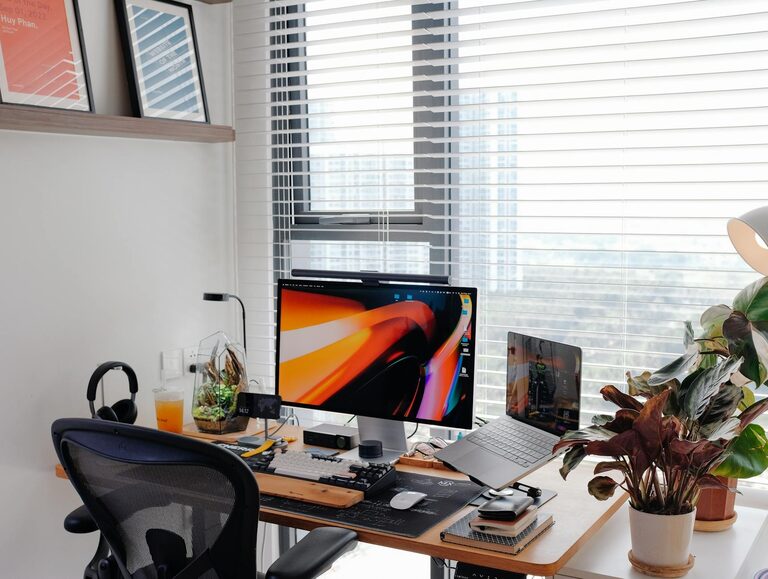
Comfort matters when you spend hours working at a desk. Invest in a good quality office chair that supports your back and encourages proper posture. An adjustable chair allows you to customize the height and angle to suit your body.
Pair your chair with a desk at the right height, ensuring your wrists and arms are comfortable when typing. If possible, use a sit-stand desk to alternate between sitting and standing, which can help reduce fatigue and improve circulation.
Organize Your Workspace Efficiently
Clutter can distract and slow you down. Keep your workspace tidy by using organizers, shelves, and drawers. Store frequently used items within reach to avoid unnecessary interruptions.
Try to limit personal items on your desk to only meaningful decorations or things that inspire you. This balance helps personalize your space without creating distractions.
Optimize Lighting
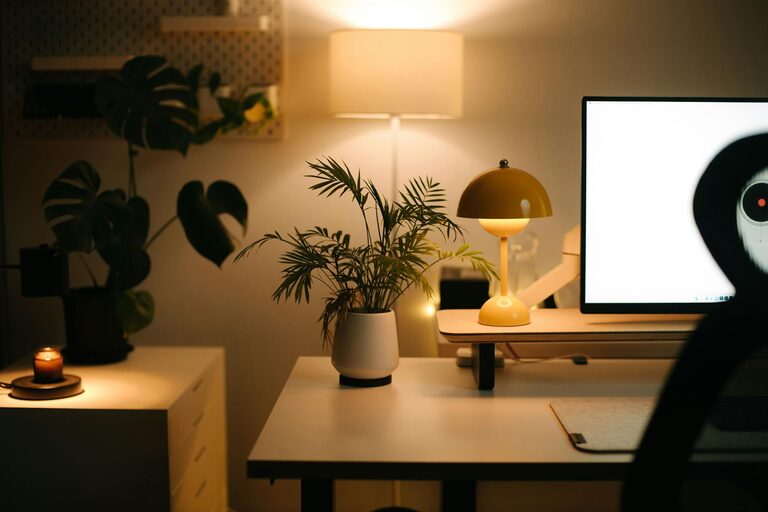
Good lighting reduces eye strain and keeps you alert. Natural light is ideal, so arrange your desk near a window if possible. When natural light is limited, use adjustable desk lamps with soft, white light. Avoid harsh fluorescent lighting or overly bright bulbs.
Position your screen to prevent glare from windows or lamps, which can cause discomfort.
Minimize Distractions
Distractions can significantly impact your productivity. Set clear boundaries with family or housemates about your work hours and space.
Use technology tools to minimize interruptions, such as:
– Turning off non-essential notifications
– Using apps to block distracting websites during work hours
– Setting your phone to silent or “Do Not Disturb”
Creating rituals before work, such as a short walk or a cup of coffee, can help signal the start of your focus time.
Personalize Your Space
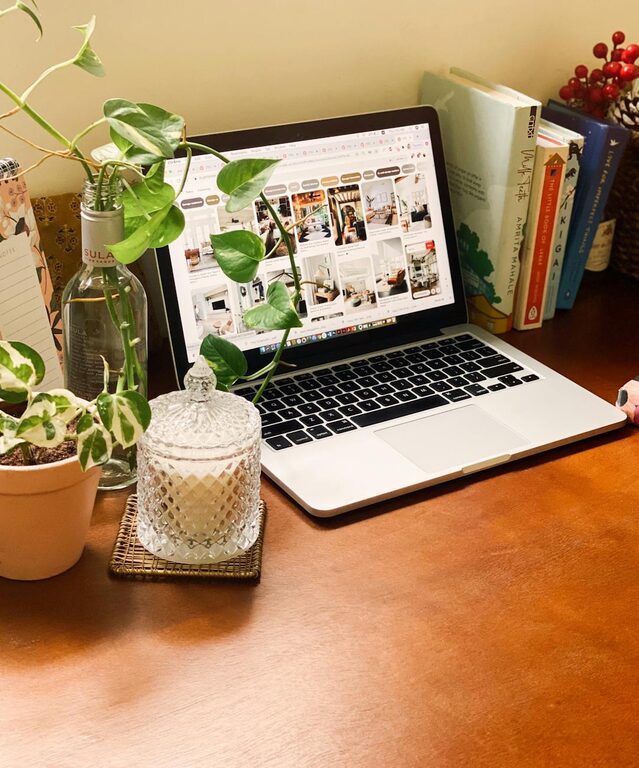
While keeping clutter minimal, add personal touches that make your office inviting and motivating. Plants, artwork, or photos can create a calming atmosphere.
Choose colors that promote focus and calmness, like soft blues or greens. Avoid overly bright or distracting patterns.
Maintain Good Air Quality and Temperature
A comfortable temperature and good air quality are often overlooked but important factors. Keep your workspace well-ventilated. If possible, open a window regularly to let fresh air in.
Maintain a comfortable room temperature between 68-72°F (20-22°C). Use fans or heaters if needed to adjust the environment.
Use Technology Wisely
Equip your home office with the right technology to support your work. Ensure you have a reliable internet connection and backup options if your Wi-Fi fails.
Use a quality headset or speakers for calls and meetings. Keep your software and devices updated to avoid technical issues.
Schedule Breaks and Set Boundaries
Even the best workspace won’t guarantee productivity if breaks aren’t planned. Use techniques like the Pomodoro method — work for 25 minutes, then take a 5-minute break.
Step away from your desk during breaks to stretch, hydrate, or take a quick walk. Setting clear work hours and sticking to them helps separate work from personal time.
Keep Improving and Adapting
Finally, creating a productive home office is an ongoing process. Regularly assess what works and what doesn’t. Make adjustments as needed to improve comfort, organization, or technology.
Ask yourself:
– Am I comfortable during long work sessions?
– Is my workspace inspiring or draining?
– Do I have the tools I need for my tasks?
By staying attentive to these questions, your home office will continue to support your productivity over time.
—
With these practical tips, anyone can turn their home office into a productive and pleasant place to work. Small changes can make a big difference in your daily routine and overall work satisfaction. Start with what feels most feasible and build your ideal workspace step by step.