
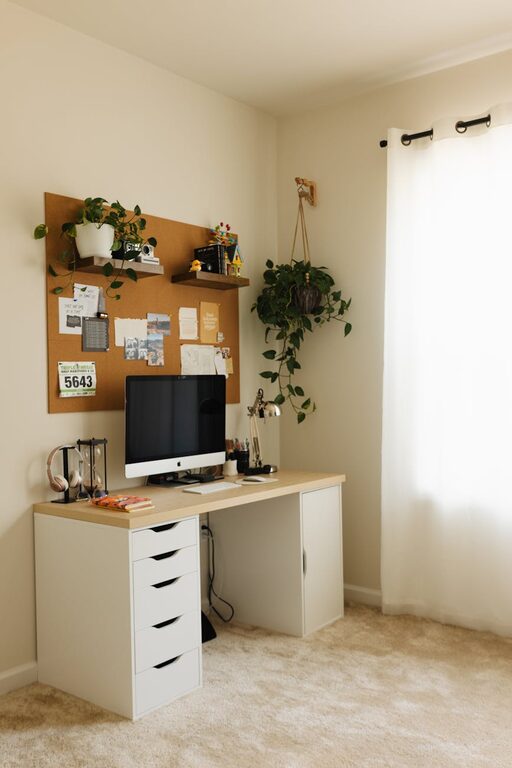
Creating a cozy and functional home workspace is essential for anyone working from home or simply needing a dedicated area to focus. A well-designed workspace can boost productivity, reduce stress, and make your workday more enjoyable. Whether you have a full room or just a corner to spare, these tips will help you craft a space that meets your needs.
Choose the Right Location
Finding the perfect spot for your workspace is the first step. Consider these factors:
– Natural Light: Position your desk near a window if possible. Natural light helps reduce eye strain and improves mood.
– Quiet Area: Pick a space that’s relatively free from distractions and noise.
– Space Availability: Ensure there’s enough room for your desk, chair, and storage without feeling cramped.
If your space is limited, look for nooks or unused corners that you can transform into a productive zone.
Invest in Comfortable Seating
Your chair plays a significant role in your comfort and health during long work hours. Look for these features:
– Ergonomic Design: Choose a chair with adjustable height, back support, and comfortable padding.
– Mobility: Swivel chairs with wheels can make moving around easier.
– Breathable Materials: Fabric or mesh options help keep you cool.
Remember, taking breaks to stretch and move around is also important to prevent stiffness.
Optimize Desk Setup
Your desk is your workspace foundation. Make sure it suits your tasks:
– Size and Shape: Choose a desk with enough surface area for your computer, paperwork, and other essentials.
– Height: Ideally, your desk height should allow your elbows to be at a 90-degree angle when typing.
– Storage: Desks with built-in drawers or shelves help keep clutter at bay.
If desk space is tight, consider wall-mounted shelves or organizers to maximize vertical space.
Prioritize Good Lighting
Proper lighting reduces eye fatigue and sets the right mood. Here’s how to get it right:
– Layered Lighting: Combine natural light with overhead and task lighting.
– Adjustable Desk Lamp: A lamp with adjustable brightness and direction is helpful for focused tasks.
– Warm Light Tones: Warm light (around 2700K to 3000K) creates a cozy atmosphere, while cooler light works better for focus.
Avoid placing your screen opposite a bright window to prevent glare.
Keep It Organized
A tidy workspace helps you concentrate and feel calm. Try these organization tips:
– Declutter Regularly: Remove unnecessary items daily or weekly.
– Storage Solutions: Use baskets, file organizers, or drawer dividers to keep supplies orderly.
– Cable Management: Use clips or ties to keep cords neat and prevent tangling.
Labeling storage containers can also save time when searching for items.
Add Personal Touches
Creating a space that reflects your personality can make working there more enjoyable.
– Decorate with Plants: Small indoor plants add life and improve air quality.
– Inspiring Artwork: Hang pictures or quotes that motivate you.
– Cozy Textiles: A soft rug or cushion can make your space feel warmer.
Just avoid overdecorating, which can make the area feel cluttered or distracting.
Maintain Separation Between Work and Relaxation
To support mental well-being, it’s important to distinguish your workspace from the rest of your living area.
– Defined Boundaries: Use a room divider or strategically place furniture to create a clear boundary.
– Rules for Use: Only use your workspace for work-related activities to help your brain associate the area with productivity.
– End-of-Day Routine: Close your laptop, tidy up your desk, and physically leave the space when your workday ends.
This separation encourages better focus during work and relaxation afterward.
Incorporate Functional Technology
Technology should support your workflow, not slow it down.
– Reliable Internet: Ensure your workspace has strong Wi-Fi or a wired connection.
– Ergonomic Accessories: Consider a separate keyboard, mouse, or monitor stand to improve posture.
– Noise-Canceling Headphones: Useful for blocking distractions or enhancing concentration.
Regularly update and maintain your devices for smooth performance.
Pay Attention to Ventilation and Temperature
Comfort isn’t just about furniture and lighting—it includes air quality too.
– Fresh Air: Open a window when possible or use an air purifier.
– Temperature Control: Use a fan or heater to maintain a comfortable temperature.
– Humidity: A small humidifier can help if the air is too dry.
These steps create a pleasant environment that supports long hours of work.
Keep It Flexible and Adaptable
Your needs may change over time. Design a workspace that can evolve with you.
– Modular Furniture: Pieces that can be rearranged or adjusted.
– Multi-Use Areas: Incorporate space that can serve both work and hobbies.
– Regular Review: Periodically assess your workspace effectiveness and adjust as necessary.
A flexible space grows with your productivity and comfort needs.
—
Creating a cozy and functional home workspace requires thoughtful planning but pays off in increased comfort and productivity. By selecting the right location, investing in quality furniture, optimizing lighting and organization, and adding personal touches, you can build a space that inspires and supports your best work. Remember, a workspace is not just a place; it’s an environment that nurtures focus and well-being.